Weather-Resistant Decking: Shield Your Investment From the Weather
Weather-resistant decking functions as an essential element in protecting exterior areas from extreme environmental elements. It gives homeowners an effective solution to prevent issues like rotting and warping. By selecting durable materials such as composite or PVC decking, individuals can achieve both aesthetics and longevity. Nevertheless, grasping the nuances of different decking types and their maintenance needs is essential for making a well-informed decision. The following sections will explore these factors in more depth.
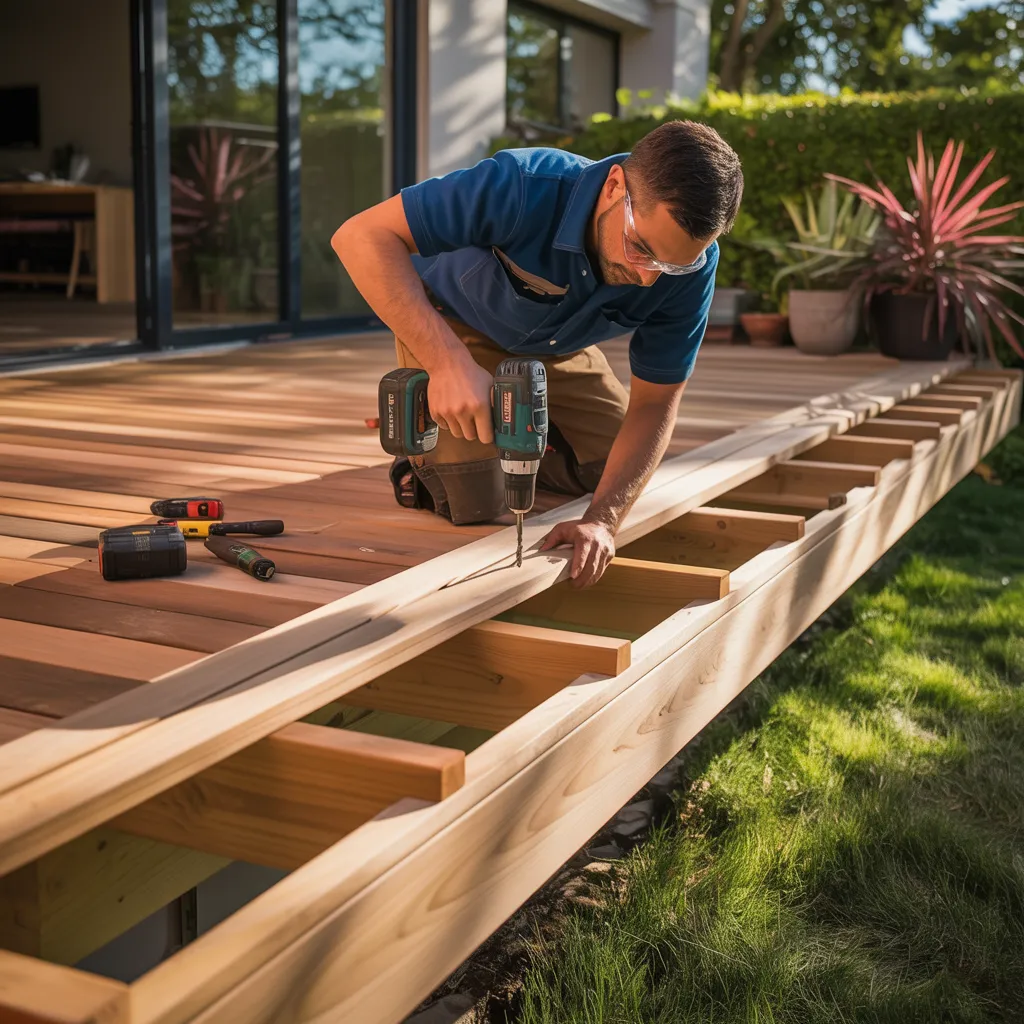
What Is Weather-Resistant Decking and Why You Need It?
Weather-resistant decking, engineered to handle harsh weather, delivers considerable value for outdoor living areas. Such decking is generally manufactured from materials engineered to withstand moisture, ultraviolet rays, and severe temperatures, guaranteeing lasting performance and resilience. Frequently used materials consist of composite, PVC, and treated lumber, all designed to address problems like warping, decay, and color loss.
Homeowners often seek weather-resistant decking to protect their investments, as traditional wood decking may require frequent maintenance and replacement. The resilience of weather-resistant options not only elevates the overall appearance but also promotes safety by minimizing hazards linked to slippery surfaces. Additionally, these materials can be more environmentally friendly, as they are often made from recycled content. Ultimately, weather-resistant decking provides an effective solution for individuals seeking to establish a useful and visually pleasing outdoor environment that stands the test of time.
Main Benefits of Weather-Resistant Decking Materials
Weather-resistant deck materials provide a variety of important benefits that make them highly sought after by homeowners. Such materials are recognized for their superior durability and long lifespan, needing less care and attention over time. Furthermore, they offer outstanding visual appeal, enabling homeowners to enjoy an attractive outdoor area that endures for years.
Enhanced Durability and Longevity
Selecting weather-resistant decking materials greatly improves durability and longevity, making them an excellent solution for exterior living areas. These products are intentionally crafted to resist demanding climate conditions, including intense sun, significant precipitation, and frigid conditions. Unlike traditional wood, which can warp, splinter, or rot over time, weather-resistant options preserve their form and visual appeal for years. High-performance composites and synthetic options typically withstand moisture, UV rays, and pests, significantly minimizing the risk of damage. Such durability not only prolongs the life of the deck but also confirms it preserves its pleasing appearance. Investing in such materials ultimately leads to fewer repairs and replacements, providing homeowners with a long-term, cost-effective solution for outdoor living.
Minimal Maintenance Needs
Opting for weather-resistant decking materials considerably lessens maintenance requirements for homeowners. As opposed to standard wood decks that demand regular staining, sealing, and painting, weather-resistant options usually demand little ongoing care. These materials are designed to resist moisture, ultraviolet rays, and temperature changes, considerably decreasing the likelihood of warping, decay, or discoloration. Homeowners can expect to spend less time on time-consuming tasks such as cleaning or repairing, freeing them to fully appreciate their outdoor living spaces. Additionally, numerous weather-resistant materials can be cleaned with just soap and water, reducing the effort of upkeep even further. This minimal-upkeep quality not only reduces effort but also promotes lasting financial savings, making it a practical choice for individuals aiming to upgrade their exterior living areas.
Premium Aesthetic Appeal
When improving outdoor visual appeal, people are realizing that weather-proof deck materials present an aesthetically pleasing option to standard materials. Available in various colors, textures, and finishes, these materials can complement any architectural style, improving the overall visual appeal of the property. Compared to standard timber, that tends to warp and lose its color, these resilient materials preserve their striking look, guaranteeing enduring aesthetic appeal. Many products are designed to simulate the aesthetic of natural timber, delivering a sophisticated appearance without the associated maintenance challenges. Moreover, modern design innovations allow for seamless integration with outdoor elements and garden furniture, establishing a unified outdoor setting. In the end, the superior aesthetic appeal of durable deck materials not only enhances exterior areas but also elevates the value of the home.
Key Features of Weather-Resistant Decking
Weather-resistant decking boasts several key features that make it an ideal choice for open-air environments. One significant characteristic is its capacity to endure severe weather elements, including rain, snow, and UV exposure. This strength is commonly reinforced by options such as composite and PVC, which guard against fading, warping, and splintering. Furthermore, numerous weather-resistant decking options are crafted with easy care as a focus, needing very little care when measured against traditional wood alternatives. These materials frequently resist mold and mildew, promoting a healthier and tidier outdoor space. Moreover, these types of decking typically feature slip-resistant surfaces, promoting safety during wet conditions. Their color retention capabilities further support enduring aesthetic appeal, as they maintain their appearance over the years. Combined, these attributes not only improve the deck's durability but also give homeowners reassurance, assured that their investment is safeguarded from the elements.
A Comparison of Weather-Resistant Decking Types
When examining types of weather-resistant decking materials, two popular options are composite and PVC decking materials. Composite decking is valued for superior appearance and sustainable characteristics, while PVC decking is recognized for its durability and low maintenance requirements. Grasping these key differences allows homeowners to make educated decisions aligned with their particular needs.
Advantages of Composite Decking
Composite decking delivers a range of benefits that position it as a top option for homeowners in need of long-lasting and easy-to-maintain outdoor decking options. Crafted from a blend of recycled plastic and wood fibers, composite materials are resistant to fading, staining, and mold growth, ensuring longevity discover here against weather elements. In contrast to natural wood, composite decking is splinter-free, creating a safer outdoor space for families and pets. Its low maintenance requirements are also appealing, as it generally requires only routine cleaning with soap and water. Additionally, composite decking comes in numerous colors and surface finishes, offering the flexibility to complement any home design. This union of resilience, safety, and flexibility establishes composite decking as a premier choice in the sector of weather-resistant outdoor materials.
PVC Decking Benefits
Durability stands out as a key advantage of PVC decking, positioning it as a superior option to conventional wood and composite options. In contrast to wood, PVC decking is impervious to rot, mold, and pest damage, providing a prolonged lifespan with minimal care. Additionally, it is impervious to moisture, which helps prevent warping and splitting often seen in wood products. It also provides a broad selection of colors and textures, enabling flexible design choices that improve outdoor appearances. In addition, PVC decking eliminates the need for painting or staining, saving homeowners both time and money. Given its capacity to endure extreme weather, PVC decking offers a dependable, easy-care option for improving outdoor areas while shielding investments from weather damage.
Selecting Your Weather-Resistant Decking
Identifying the ideal weather-resistant decking demands careful consideration of various factors to secure longevity and performance. Property owners should first evaluate the available material choices, such as PVC, aluminum, or composite, all of which present individual strengths in terms of upkeep and durability.
Moreover, it is essential to consider the weather conditions in which the decking will be fitted. For spaces with extreme weather conditions, materials with excellent UV durability and reduced moisture absorption should be considered.
Moreover, the visual quality of the deck must be considered; color and texture should complement the overall aesthetic of the house.
Cost considerations also play a vital role; while some materials may have a higher upfront cost, they frequently deliver superior long-term value through lasting performance and lower upkeep costs.
Finally, researching manufacturer warranties can reveal important details about the expected lifespan and quality of the deck materials.
Looking After Your Weather-Resistant Deck
Keeping a weather-resistant deck is important for maintaining its aesthetics and performance over time. Routine cleaning is vital; utilizing a broom or leaf blower to clear away debris prevents mold and mildew buildup. A mild wash with soap and water can work to sustain the deck's overall surface, while a gentle bristle brush can address tougher stains.
Examining the deck periodically for evidence of damage, such as unstable boards or diminished finish, allows for timely repairs. Using a durable sealant every couple of years can enhance durability against sun exposure and water damage. Furthermore, refraining from using strong solvents or rough implements will preserve the integrity of the material.
Seasonal care is also essential. Removing snow and ice during winter months and ensuring adequate drainage can help avoid structural damage. By following these care guidelines, homeowners can make certain their weather-resistant decking remains a beautiful and functional outdoor space for years to come.
View Weather-Resistant Decking Up Close
Weather-resistant decking can be enjoyed in various settings, demonstrating its flexibility and attractive qualities. Homeowners frequently opt for this material in outdoor settings, turning backyards into charming and relaxing spaces. Across urban landscapes, weather-resistant decking enhances rooftop garden spaces, creating a sophisticated setting for leisure and social occasions.
Communal areas, such as recreational areas and waterfronts, employ this resilient choice to elevate outdoor environments while reducing upkeep requirements. Restaurants and cafes also benefit, as all-weather decking can withstand harsh conditions, ensuring patrons enjoy comfortable dining experiences year-round.
In addition, residential properties more and more incorporate this decking into their blueprints, attracting prospective purchasers in search of easy-to-maintain outdoor environments. By examining these applications in real life, observers can appreciate not only the real-world benefits but also the aesthetic upgrades that weather-resistant decking provides to various environments. In the end, it serves as a reflection of the balance between practicality and design in outdoor environments.

Questions We Often Receive
How Long Can You Expect Weather-Resistant Decking to Last?
Weatherproof deck materials typically lasts anywhere from 15 to 25 years, depending on material quality, maintenance habits, and prevailing environmental conditions. Proper upkeep can considerably increase its longevity, providing enduring value and resilience for homeowners.
Can I Install Weather-Resistant Decking Myself?
Absolutely, a person can install weather-resistant decking on their own, provided they have essential carpentry skills and adhere to the maker's instructions. However, reaching out to professionals may secure ideal results and adherence to regional building regulations.
Which Colors and Styles Can You Choose for Weather-Resistant Decking?
A diverse range of colors and design styles are provided for weather-resistant deck materials, including natural wood finishes, earthy tones, and vibrant hues. Selections span from classic planks to contemporary interlocking designs, catering to diverse aesthetic preferences.
Is Weather-Resistant Decking Environmentally Friendly?
Weather-resistant decking has the potential to be environmentally friendly, depending on materials used. A variety of manufacturers supply recycled alternatives or responsibly sourced timber, lowering the overall environmental footprint. However, consumers should research specific products to verify they align with eco-friendly standards.
How Do Weather-Resistant Decking Costs Compare to Traditional Decking?
Weather-resistant decking usually carries a greater initial cost when measured against traditional decking materials. However, its robust construction and minimal upkeep demands can lead to long-term savings, making it a more cost-effective option in the long term.